
Frequently Asked Questions
What people ask about solar hot water
The most common questions about system operation, winter efficiency, freezing, boiler capacity, savings, maintenance and public projects.
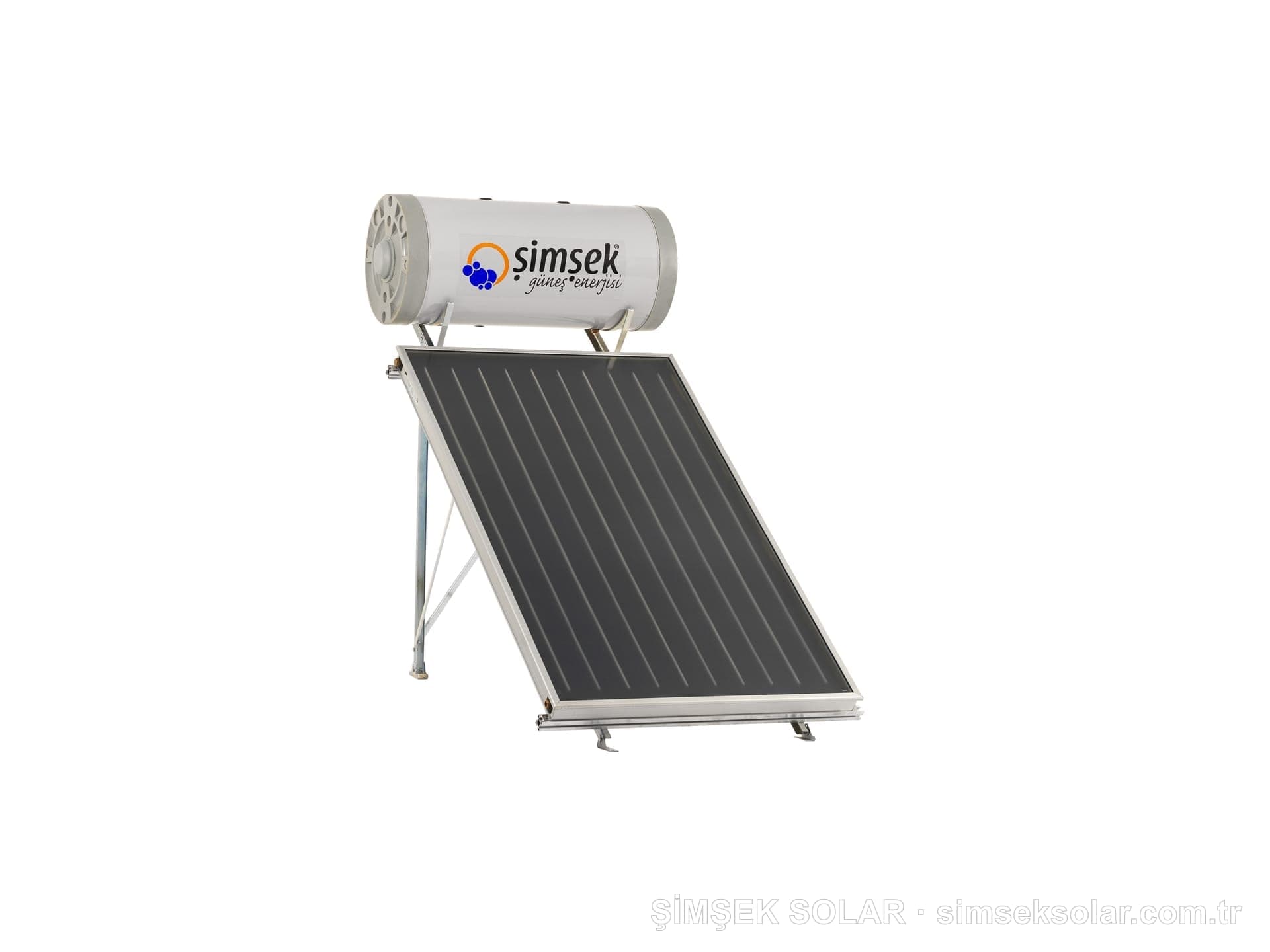
In solar thermal systems, roof-mounted collectors turn solar radiation into heat, warm the water and store that heat in an insulated boiler. On sunny days most of the water-heating demand is met without burning fuel; when the sun is not enough, a backup heater takes over. Şimşek Solar manufactures these systems at its plant in Mersin.
Systems are designed to integrate with a backup heat source (combi boiler, boiler or electric element) for sunless days, so you have hot water in every season. The boiler’s insulation lets the heat stored during sunny hours be used in the evening and at night.
In an open loop, the domestic water passes directly through the collector; freezing risk is low and it is economical for warm regions. In a closed loop, antifreeze solar fluid circulates in the collector and transfers heat to the water through the boiler coil; it is protected against freezing and runs pressurized. Our engineering team determines the right one for your region.
Yes. In homes a significant share of energy goes to heating water. A solar system takes on most of this load, significantly reducing the consumption of an electric water heater, combi boiler or geyser; your bill goes down.
Boiler volume is chosen according to your daily hot water consumption. Our calculator assumes 40–60 liters per person per day (low–high use); with that assumption a household of 4 uses about 200 liters of hot water a day under normal use. We determine the exact capacity together at the quotation stage, based on your habits and region.
Installation time depends on the roof type, the existing plumbing and the size of the system. For central and mass-housing systems the time depends on the project scope; the engineering and installation plan is shared together with the quotation.
Our closed-loop pressurized systems work with city mains water pressure and provide strong flow at the tap and shower. Open-loop (unpressurized) solutions are also offered where needed.
Yes. Of the 526 projects in our reference list, 348 are mass-housing projects; our central solar hot water systems are also used in prisons, military facilities, universities, hotels and other public facilities. Project-specific capacity calculation and installation support are provided as part of the quotation.
Service life depends on operating conditions, water quality and regular maintenance. Warranty scope and duration vary by product and are stated in writing in the quotation and sales documents. You can use our service form for maintenance and repair requests.
We work with installers, engineering firms and wholesalers through a regional dealership model; we also offer OEM production tailored to the project and demand. You can apply via our contact page to reach our price list and cooperation terms.
Solar thermal (a solar collector) heats water directly and produces hot water; photovoltaic panels convert sunlight into electricity. For hot water, a thermal system uses the sun directly as heat, without converting it to electricity first. Our expertise is in collector- and boiler-based thermal systems.
In areas with a freezing risk, closed-loop systems with antifreeze are used; the solar transfer fluid circulating in the collector prevents freezing and transfers heat to the domestic water via the coil in the boiler. This way the system operates safely even on the coldest days. In warm regions, open-loop package systems are an economical solution.
A solar system covers a substantial share of the electricity, natural gas or LPG used to heat water. How much you save and when the system pays for itself depend on the solar radiation in your province, your hot water consumption and the price of the energy it replaces. Our team makes the exact calculation after a site survey; you can see the system that suits your needs in our calculator and the radiation values for your province on the “Solar Potential” page.
The systems are low-maintenance; usually one check per year is enough. Cleaning the collector surface, checking the solar fluid and freeze-protection level, the pump/automation and the boiler anode are part of periodic maintenance. Our after-sales service team handles these; you can create your request online.
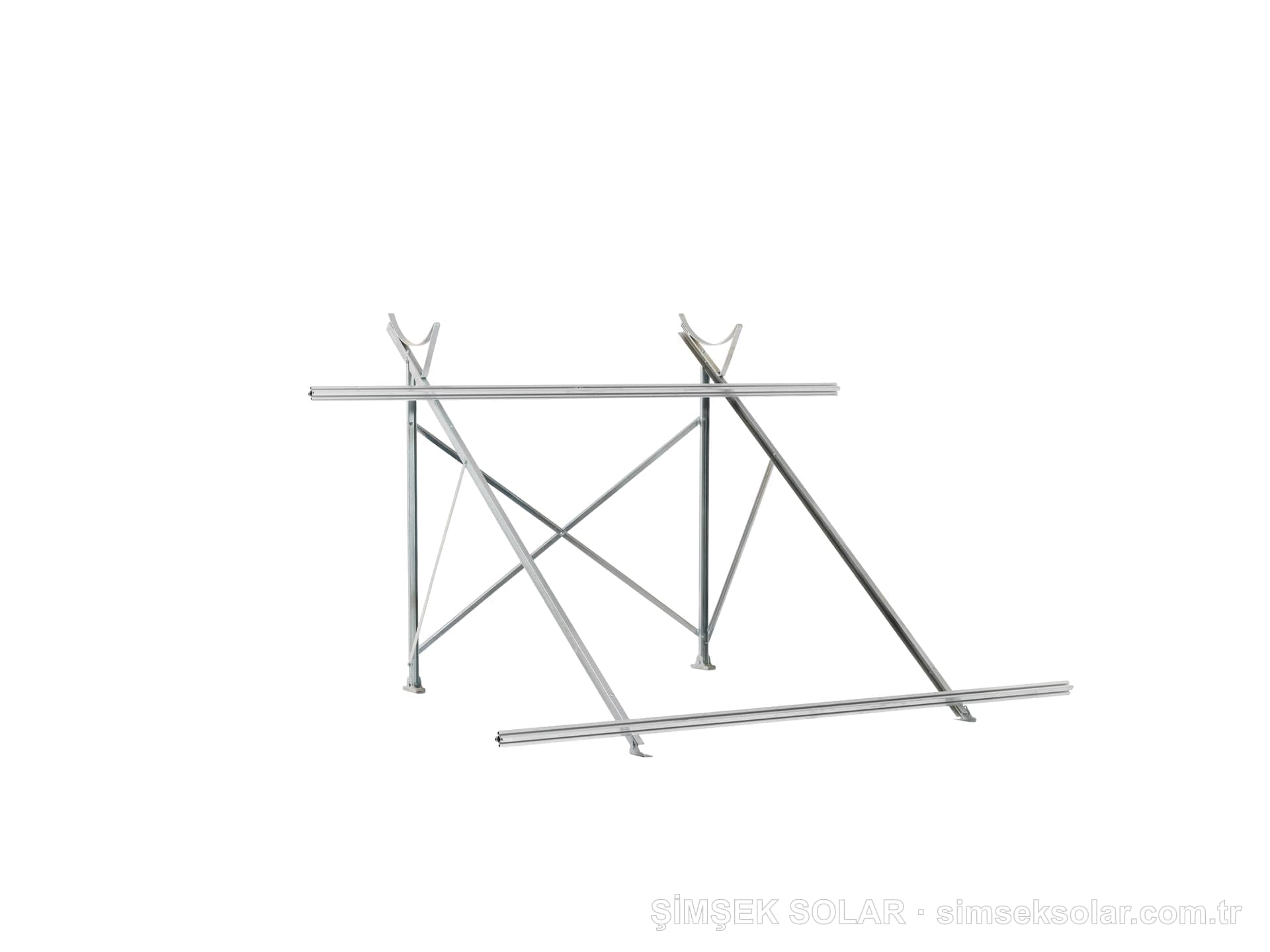
The mounting frames and roof components in our catalog are designed for flat (terrace) roofs, tiled roofs and trapezoidal roofs. For the highest efficiency, collectors are usually placed facing south with a tilt suited to the region. We determine the right solution for your roof during the site survey.
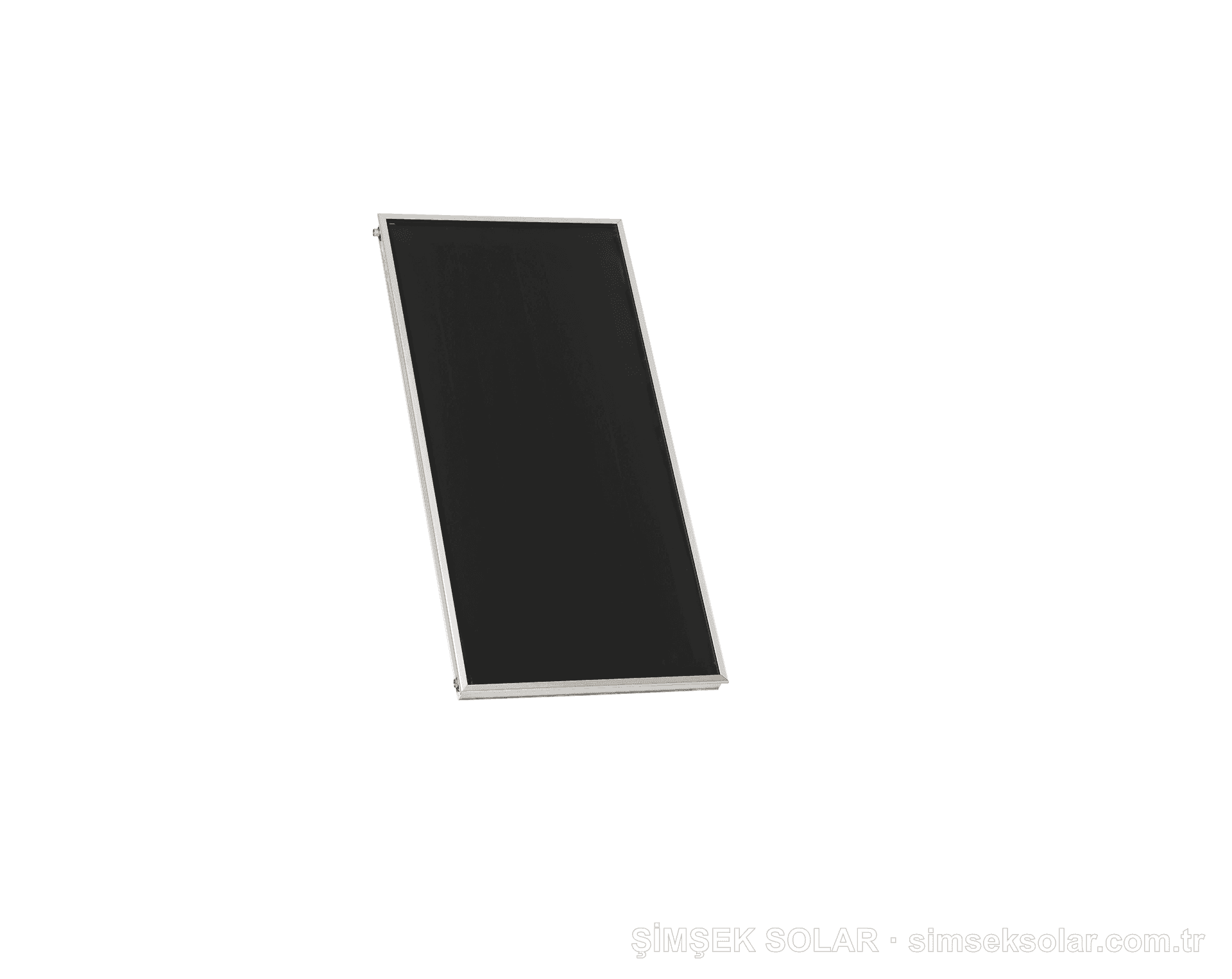
Orion collectors use 3.2 mm prismatic patterned, low-iron tempered solar glass. The collector’s tilt reduces snow build-up on the surface. Whether frames and mounting components suit the region’s wind and snow loads is assessed at the project stage.
Yes. In multi-storey buildings, apartment blocks and complexes, a roof-mounted collector field and a central boiler group produce hot water for all units from a single center. These central systems are both efficient and economical in mass housing, dormitories, hotels and public facilities.
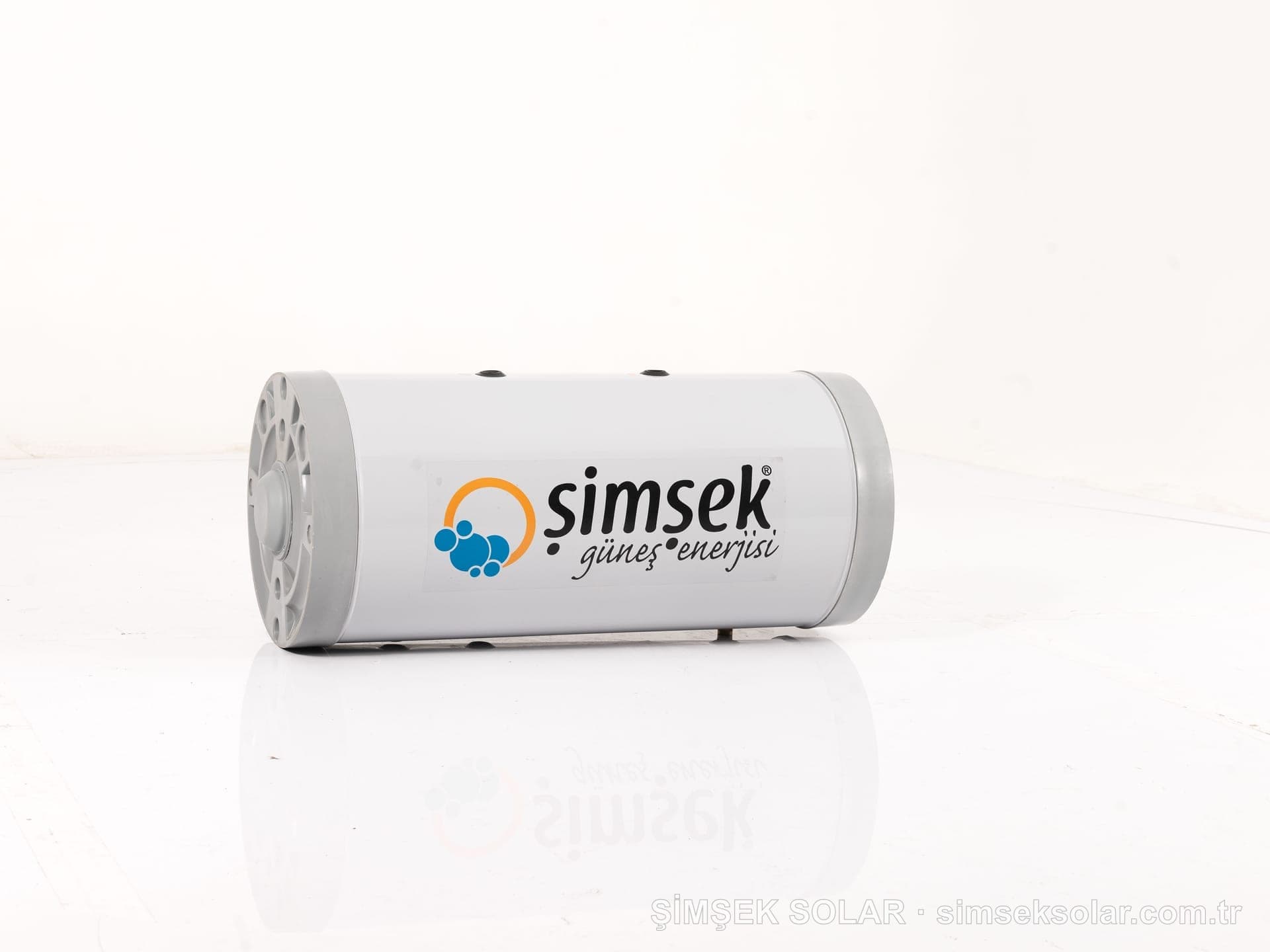
The inner surface of our boilers is enamel-coated; it protects against corrosion and keeps the surface in contact with water hygienic. The magnesium anode rod improves resistance to corrosion and hard water; checking the anode during periodic maintenance extends the boiler’s life.
Yes. Our Orion collectors are TSE certified; the CE marking covers the Orion 300–600 series, and the Solar Keymark certificates cover selected Orion series. Which series holds which certificate, the certificate numbers and validity dates are listed with the certificate PDFs on our Certificates page. Our company also holds ISO 9001, ISO 14001, ISO 45001 and ISO 10002 management system certificates.